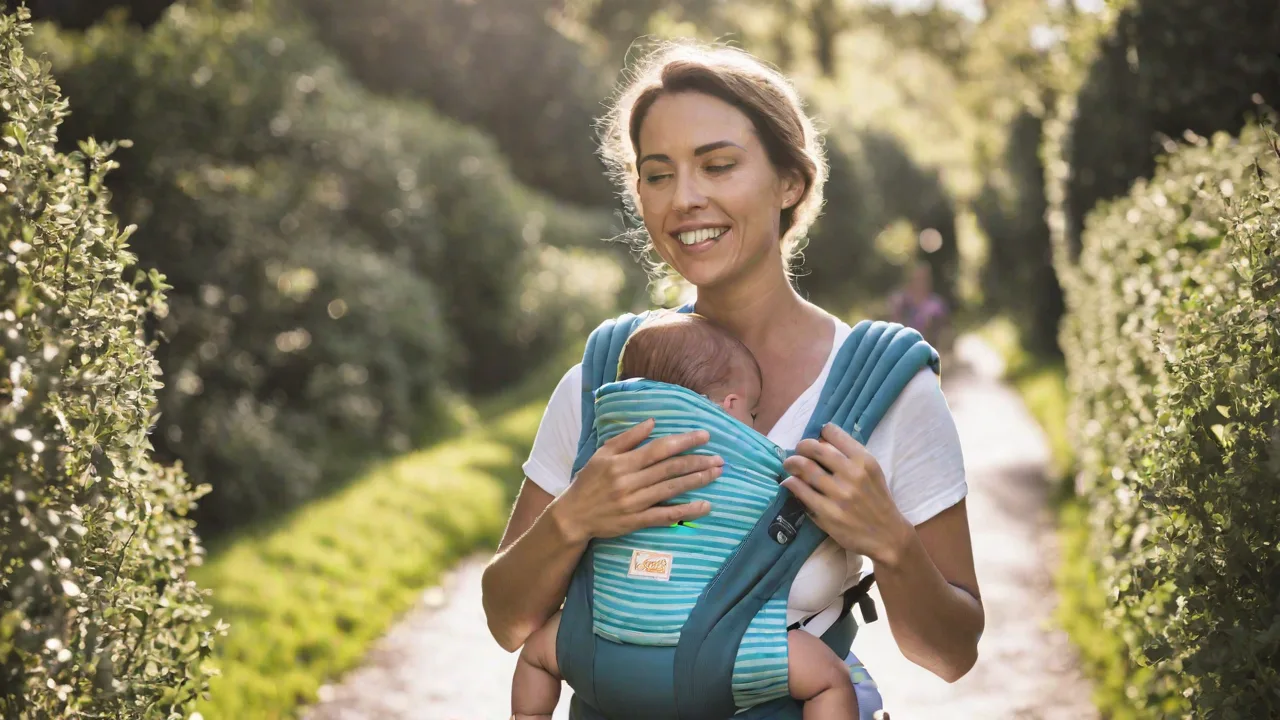
The Benefits of Babywearing and How to Choose the Right Carrier
The Time-Honored Practice of Babywearing
Babywearing, the practice of carrying a baby or toddler snugly against your body using a soft carrier, is far from a modern trend. For thousands of years, parents across cultures from East Asia to the Andes and Africa have used slings, wraps, and cloth carriers to keep their little ones close while going about their daily routines. Today, an increasing number of parents are rediscovering this age-old tradition, drawn by both its ancient wisdom and a growing body of modern research that validates what caregivers have known intuitively: carrying your baby close offers profound physical, emotional, and practical benefits for the entire family.
Whether you are a first-time parent exploring your options or a seasoned caregiver looking to refine your setup, understanding the full scope of babywearing advantages and knowing how to select the right carrier can transform your parenting experience. This comprehensive guide breaks down the science behind the snuggle and provides clear, actionable criteria for choosing a carrier that fits your unique lifestyle, body type, and baby's developmental stage.
The Science and Soul of Babywearing: Key Benefits
The benefits of babywearing extend far beyond simple convenience. Research in developmental psychology, pediatric orthopedics, and maternal-child health has identified several measurable advantages for both babies and parents.
Strengthens the Emotional Bond Between Parent and Child
Close physical contact triggers the release of oxytocin, often called the love hormone, in both parent and baby. This hormonal cascade promotes feelings of trust, calm, and attachment. When a baby is worn close enough to feel the caregiver's heartbeat, breathing rhythm, and warmth, the infant's nervous system learns to regulate more effectively. Over time, this consistent proximity builds a secure attachment base, which is the foundation for healthy emotional development and resilience later in life. Studies have shown that parents who practice babywearing tend to be more responsive to their baby's subtle cues, creating a feedback loop of communication and connection that strengthens the relationship.
Supports Healthy Physical Development
Baby carriers that keep the infant in an ergonomic, upright position with the knees higher than the bottom (the M-position or frog-leg position) support healthy hip development. The International Hip Dysplasia Institute recommends that babies be carried in a position that allows the hips to spread naturally, which reduces the risk of hip dysplasia. Additionally, the gentle swaying motion that occurs when a caregiver walks stimulates the vestibular system, which is responsible for balance and spatial orientation. This stimulation supports motor development and can also help babies develop strong core and neck muscles as they naturally adjust their posture against the caregiver's body.
Reduces Crying and Promotes Calm
One of the most immediately noticeable benefits of babywearing is its soothing effect on fussy babies. A landmark study published in the journal Pediatrics found that infants who were carried for an additional three hours per day cried and fussed 43 percent less overall, with the most dramatic reductions occurring during the evening hours. The combination of gentle motion, warmth, and the secure feeling of being held replicates the conditions of the womb and activates the baby's calming reflex. For parents of colicky or high-needs babies, a carrier can be an invaluable tool for managing the witching hour without feeling overwhelmed or tethered to a rocking chair.
Offers Practical Convenience and Hands-Free Freedom
For parents balancing the demands of a newborn with household tasks, caring for older children, or professional responsibilities, the ability to keep both hands free while still providing close contact is transformative. Babywearing allows you to prepare meals, fold laundry, work at a standing desk, take a phone call, or help a toddler with a puzzle all while your baby feels safe and included. This practical convenience is especially valuable for parents of babies who resist being put down or who have reflux and need to remain upright after feedings. It also simplifies navigating environments that are not stroller-friendly, such as crowded markets, public transportation, hiking trails, or sandy beaches.
Facilitates Breastfeeding and Bottle Feeding
Many carriers are designed with breastfeeding in mind, allowing mothers to nurse discreetly and comfortably while on the go. The close positioning means the baby can be lowered slightly to latch without being fully removed from the carrier. This spontaneous feeding capability supports breastfeeding frequency, which is important for milk supply, and reduces the stress of finding a private place to nurse. For bottle-feeding parents, the hands-free nature of babywearing means a feed can happen while you continue to move through your day.
Promotes Social Engagement and Cognitive Stimulation
A baby who is carried at the parent's eye level is not staring at the underside of a stroller canopy. Instead, the infant is positioned to observe the world from a safe, interactive vantage point. This eye-level perspective allows babies to see faces, hear conversations, and watch their caregiver interact with the environment. This rich, contextual input supports early language development, social learning, and cognitive growth. The baby is not just being transported; the baby is being included in the fabric of daily life.
Choosing the Right Carrier: A Framework for Decision-Making
Selecting the right carrier is a deeply personal decision that depends on your body type, your baby's age and size, your daily activities, and your comfort with different fastening systems. No single carrier is perfect for every family, but understanding the strengths and trade-offs of each type will help you make an informed choice.
Wraps: Unmatched Customization for Newborns
Wraps are long lengths of woven or stretchy fabric that you wrap around your body and tie to create a custom fit. They offer the most adjustability and can be used from birth through toddlerhood with the right fabric weight and wrapping technique.
- Stretchy wraps are ideal for newborns up to about 15 pounds. The forgiving knit fabric allows you to pre-tie the carrier and then pop the baby in, mimicking the snug feeling of the womb. They are excellent for parents who want a soft, seamless experience during the fourth trimester.
- Woven wraps are made from non-stretch fabric and can support much heavier weights, sometimes up to 35 pounds or more. They require more practice to tie but offer exceptional versatility, allowing for front, hip, and back carries. Babywearing International offers excellent resources and local meetups where you can try different wraps before committing.
Soft Structured Carriers (SSCs): Convenience and Support
Soft structured carriers are the most user-friendly option for many parents. They feature padded shoulder straps, a structured waist belt, and buckles that allow you to clip the carrier on in seconds. Most SSCs can be used from birth (with an infant insert) through toddlerhood, making them a cost-effective long-term investment.
- Best for: Parents who value speed, ease of use, and symmetrical weight distribution. SSCs are ideal for longer walks, hiking, or days when you will be putting the carrier on and taking it off repeatedly.
- Key features to evaluate: Look for a wide, padded waist belt that sits across your hips rather than your waist, adjustable seat width to accommodate your growing baby, and a high back panel that supports the baby's head when they fall asleep.
- Ergonomic check: Ensure the carrier holds your baby in the M-position with knees above the bottom and the back in a natural C-curve. The baby should not be slumped forward with the chin on the chest, as this can compromise the airway.
Ring Slings: Lightweight and Quick for Short Carries
A ring sling is a single piece of fabric with two rings sewn into one end. You thread the fabric through the rings, drape it over your shoulder, and tighten to create a pouch for your baby. Ring slings are incredibly fast to put on and take off, making them perfect for quick trips, grocery store runs, or for use as a nursing cover.
- Best for: Newborns through about 6 months for daily use, though some parents continue using them longer for short carries. They are also an excellent choice for wearing a toddler on your hip for brief periods.
- Important safety note: Ring slings require careful positioning to ensure the baby's face is visible and the airway is clear. The fabric should be spread tightly across the shoulder and the baby's back should be supported in a gentle C-curve.
Mei Tai Carriers: A Hybrid Design
Mei Tai carriers are essentially a square or rectangular panel of fabric with straps that tie at the waist and over the shoulders. They combine the adjustability of a wrap with the structured panel of an SSC, without the need for buckles.
- Best for: Parents who want more customization than an SSC offers but find wraps too intimidating to learn. Mei Tai carriers can be used from birth through toddlerhood and pack down very flat for diaper bags.
- Consideration: Because they require tying, Mei Tai carriers have a learning curve, and the straps can feel bulky if not tied neatly. However, many parents find them exceptionally comfortable for long wearing sessions once the technique is mastered.
Critical Factors to Evaluate Before You Buy
Beyond the basic carrier type, several key factors will determine whether a carrier is safe, comfortable, and practical for your specific situation.
Safety and Ergonomic Checklist
- Always visible and kissable: You should be able to tip your head down and kiss the top of your baby's head without straining. The baby's face should be visible at all times, with the chin off the chest and the airway unrestricted.
- Hip-healthy positioning: The carrier should support the baby's thighs from knee to knee, with the knees higher than the bottom. This position, recommended by the International Hip Dysplasia Institute, reduces stress on the developing hip joints.
- Spinal support (not rigid straightness): A newborn's spine is naturally C-shaped. The carrier should support this curve without forcing the baby into a straight position. As the baby grows and develops muscle strength, the carrier should allow for a gradual transition toward a more upright posture.
- Fabric weight and breathability: Lightweight, breathable fabrics such as cotton, hemp, or bamboo are essential for temperature regulation, especially in warmer climates. Thicker padding may be comfortable for the parent but can trap heat against the baby.
Comfort for the Wearer
- Weight distribution: The best carriers transfer the baby's weight from the shoulders to the hips and waist. A well-designed waist belt is the single most important feature for keeping a carrier comfortable for extended periods. Without proper hip support, all the weight rests on your shoulders, leading to back and neck pain.
- Shoulder strap design: Padded shoulder straps are comfortable but can slip off narrow or sloped shoulders. Some carriers offer an H-back or X-back strap configuration. Try both configurations if possible, or choose a carrier that allows you to cross the straps in the back for a custom fit.
- Adjustability for multiple wearers: If more than one adult in the household will be using the carrier, look for models with easily adjustable straps and a wide range of settings. Some carriers come with removable padding or adjustable torso lengths to accommodate different body types.
Lifestyle Fit
- Urban and transit use: If you rely on public transportation, a compact carrier that can be quickly rolled up and stashed in a bag is ideal. Ring slings and mei tai carriers excel in this scenario. Soft structured carriers are also convenient for commutes because they can be clipped on and off in seconds without rethreading.
- Outdoor and hiking use: For long walks or trails, prioritize a soft structured carrier with a sturdy waist belt, breathable mesh panels, and a sun hood. Some outdoor-oriented SSCs also include storage pockets for keys, snacks, and a phone.
- Work from home or multitasking: Parents who need to remain productive while carrying a baby often prefer a stretchy wrap or a well-fitted mei tai for the even weight distribution and close snuggle factor. The baby tends to sleep deeper in these carriers, leaving you more focused time.
- Hot climate considerations: In humid or hot environments, a ring sling made of linen or a woven wrap in thin cotton or hemp is preferable. Avoid carriers with heavy foam padding that will trap heat. A structured carrier with a mesh panel can also help keep both wearer and baby cool.
Practical Tips for Getting Started with Babywearing
Once you have selected a carrier, the next step is learning how to use it safely and comfortably. These tips will help you build confidence.
Start with Short Sessions
Even if you are eager to wear your baby all day, begin with short sessions of 20 to 30 minutes to give both yourself and your baby time to adjust. This allows you to identify any discomfort points, such as a strap digging into your shoulder or the baby feeling too warm, and make adjustments before you commit to a full afternoon of wear.
Use a Mirror for Initial Checks
When you are first learning a new carry, use a full-length mirror to confirm the baby's position. Check that the baby's knees are higher than the bottom, the back is supported in a natural curve, and the face is visible and clear of fabric. This visual confirmation is especially critical with ring slings and wraps, where it can be harder to feel the position intuitively.
Practice Putting the Carrier On Alone
Many carriers allow you to put the baby in safely by yourself once you learn the steps. For SSCs, this typically means clipping the waist belt first, positioning the baby against your chest, pulling the panel up over the baby's back, and then clipping the shoulder straps. For wraps, practice the front wrap cross carry (FWCC) on a bed or sofa before attempting it standing up. Watching video tutorials from the carrier manufacturer or from trusted organizations such as Center of Babywearing Studies can accelerate your learning curve significantly.
Listen to Your Baby's Cues
Babywearing is a partnership. Watch your baby for signs of overstimulation, overheating, or discomfort. A baby who is suddenly fussy in the carrier may be too hot, hungry, or need a diaper change. On the other hand, a quiet, relaxed baby with open hands and a soft facial expression is signaling contentment. Trust your instincts and take breaks as needed.
Check for Overheating
Because babywearing involves close body contact, overheating is a real concern. Dress your baby in one fewer layer than you would if you were both sitting still, and avoid heavy blankets or hooded jackets that trap heat. Check the back of the baby's neck frequently: if it feels hot or damp, remove a layer or move to a cooler environment.
Common Misconceptions About Babywearing
Despite its growing popularity, several misconceptions persist that may discourage parents from trying babywearing or lead them to make suboptimal choices.
Misconception: Babywearing will spoil the baby or make them too dependent. Research consistently shows that responsive, close contact in infancy fosters independence and secure attachment in the long run. Babies who feel securely attached are actually more willing to explore their environment and separate from their caregiver when they are developmentally ready.
Misconception: All carriers are essentially the same. This misconception can lead to discomfort or even safety issues. Carriers vary significantly in weight distribution, hip support, fabric breathability, and adjustability. A carrier that works well for a 5-foot-tall parent with a newborn may be uncomfortable for a 6-foot-tall parent with a 20-pound toddler.
Misconception: Babywearing is only for the primary caregiver or for mothers. Babywearing benefits any caregiver who wants to bond with the baby and enjoy hands-free convenience. Fathers, grandparents, foster parents, and other relatives can all experience the closeness and practical advantages of carrying a baby. Many carriers are designed to fit a wide range of body shapes and sizes.
Misconception: Babywearing is unsafe for babies with breathing concerns. While it is essential to follow safe positioning guidelines including keeping the baby's face visible and the chin off the chest, babywearing has not been found to increase the risk of SIDS or breathing problems when proper precautions are followed. In fact, the upright position can benefit babies with reflux or congestion.
Conclusion: A Practice Worth Adopting
Babywearing is a practical, emotionally enriching practice that can improve the quality of life for both you and your baby. From fostering a deep emotional bond and supporting healthy physical development to providing the hands-free freedom that modern parenting demands, the benefits are well-supported by both tradition and research. The key to a positive experience lies in choosing a carrier that fits your body, your baby, and your daily reality.
Take the time to research different carrier types, prioritize safety and comfort, and allow yourself a learning period as you master the basics. Whether you choose a soft wrap for those early newborn days, a structured carrier for long hikes, or a simple ring sling for quick errands, the act of carrying your child close is an investment in connection that pays dividends in moments of peace, laughter, and shared discovery.