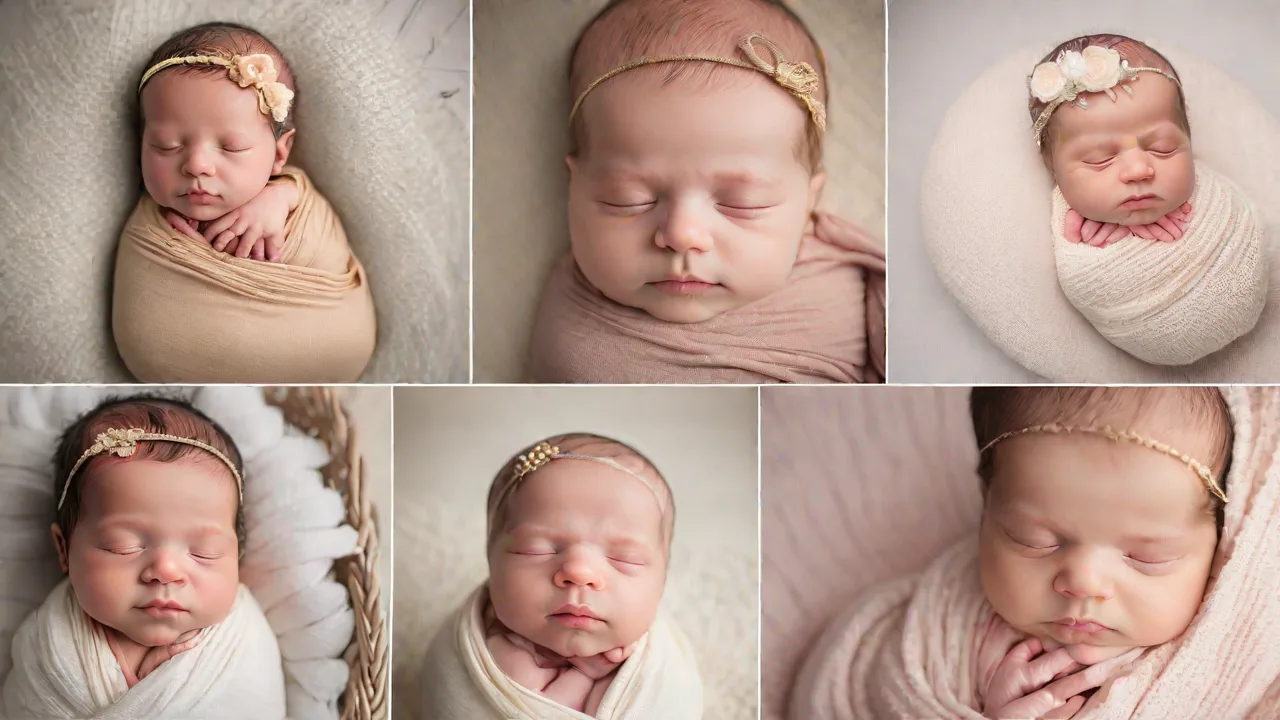
Tips for Safe and Effective Newborn Photography Sessions at Home
Building a Profitable In-Home Newborn Photography Workflow
Newborn photography remains one of the most rewarding specialties in the portrait industry, offering photographers the unique privilege of documenting a family's earliest moments together. While studio sessions provide controlled environments, many modern families prefer the convenience and intimacy of an in-home session. For photographers operating on platforms like Directus—often managing multiple client fleets or gallery drops—creating a repeatable, safe, and highly efficient workflow is key to scaling this niche without sacrificing quality.
This guide expands on the core principles of newborn safety, lighting, and posing while integrating the business and operational strategies needed to run these sessions smoothly. Whether you are a seasoned portrait artist or a fleet manager onboarding new photographers, these protocols ensure every session is professional, profitable, and, above all, safe for the infant.
Pre-Session Consultation and Logistics
The success of a newborn session hinges on what happens before you walk through the door. Proper planning eliminates guesswork and builds client confidence. A streamlined pre-session workflow, managed through a centralized platform like Directus, allows you to standardize questionnaires, contracts, and scheduling across your entire photographer fleet.
Digital Client Questionnaires
Send a detailed questionnaire as soon as the session is booked. This should capture information about the baby's feeding and sleeping patterns, any siblings who will be included, and the parents' aesthetic preferences. Ask for specific inspiration images so you can align on style before the session day. By centralizing this data in your Directus backend, you create a permanent record accessible to the entire team.
Virtual Location Scouting
Request a few cell phone photos of the main living area or master bedroom where the session will take place. Identify the largest source of natural light, potential clutter, and the color palette of the room. This allows you to pre‑select props, backdrops, and outfits that complement the space, saving valuable setup time during the session.
Legal and Safety Waivers
Every fleet should have a standardized newborn safety waiver and model release. Ensure parents understand that while you take every precaution, certain poses require their active assistance as spotters. Using a digital signature integration within Directus allows you to have these documents signed and stored before you arrive, minimizing administrative friction on the day of the shoot.
Mastering the In-Home Setup
Creating a controlled studio environment within a client's living room is a skill that separates amateurs from professionals. Your setup must prioritize comfort, safety, and optimal light capture.
Environmental Factors: Temperature and Sound
Newborns are accustomed to a constant 98.6°F environment. To keep them sleepy and comfortable, the room should be heated to 78–82°F (25–28°C). Bring a portable space heater to warm the posing area, but keep it directed away from the baby's face. A white noise machine is essential for masking household sounds and mimicking the womb, helping the baby stay in a deep sleep throughout the session.
Natural Light Optimization
Position your posing table or bed perpendicular to a large window. Use sheer diffusers (or a simple white sheet) to soften harsh sunlight. Avoid shooting directly in front of the window, as this creates flat, shadowless lighting. Instead, use the window as a large key light, placing a reflector on the opposite side to fill in shadows. This setup provides soft, wrapping light that flatters newborn skin.
Backdrop and Prop Selection
Keep the background simple and free of visual distractions. Neutral tones like cream, heather gray, and soft blush allow the baby's skin to pop. For fleet photographers, maintaining a consistent prop inventory is crucial. Use your Directus inventory module to track props, blankets, and outfits, ensuring each photographer has access to clean, sanitized gear. Always wash fabrics between sessions to prevent the spread of common illnesses.
The Non-Negotiable Safety Protocols
Safety is the single most important aspect of newborn photography. The American Academy of Pediatrics (AAP) provides clear guidelines on safe sleep and handling, and these should form the foundation of every pose you execute. A single mistake can cause serious injury, damaging your reputation and, more importantly, harming a child.
The Composite Posing Technique
Many classic newborn poses—such as the "froggy" pose (chin resting on hands) or the "potter's pose" (baby suspended in hands)—are composites. This means the final image is created by merging two or more photographs in post-production.
- Froggy Pose: The baby is placed on a soft beanbag or cushion. The photographer supports the head and chin while an assistant (usually a parent) supports the body. The photographer takes one photo of the face/head, then another of the hands and body. These are blended later in Photoshop.
- Hand-Held Poses: The baby is never suspended without support. The parent's hands are kept close to the baby's body at all times. The photographer captures the shot, then photoshops out the parent's hands in post-production.
Never place a baby in a position that forces their chin to their chest, as this can restrict their airway. Always keep a hand on the baby's back or head to ensure they are stable. The Professional Photographers of America (PPA) offers excellent resources on safe composite posing that every fleet photographer should review.
Surface Stability and Hygiene
Use a sturdy surface like a firm beanbag, a padded mat on the floor, or a solid table. Avoid soft, plush surfaces that could create a suffocation risk if the baby turns their head. Every fabric that touches the baby's skin must be clean and hypoallergenic. Have hand sanitizer readily available for everyone in the room, and ask parents to wash any props or wraps before the session if they are providing them.
Reading the Baby's Cues
Not every session will go smoothly. Babies communicate distress through crying, changes in skin color, and body language. If a baby's hands and feet turn purple, it may be a sign of poor circulation or cold. If the baby is squirming violently or turning red, stop the pose immediately. Take a break, feed the baby, or switch to a wrapped pose. Forcing a baby into an uncomfortable position is never worth the shot. Flexibility and patience are your greatest tools.
Camera Techniques for Stunning Newborn Portraits
Technical proficiency with your camera is essential for capturing the delicate details of a newborn, from their tiny eyelashes to the texture of their skin. Consistency across a fleet of photographers requires standardized camera settings and post‑processing workflows.
Recommended Gear and Settings
For in‑home sessions, a full‑frame mirrorless or DSLR camera is ideal for high ISO performance. Recommended settings include:
- Lens: A fast prime lens (50mm f/1.4, 85mm f/1.4, or 35mm f/1.4) for beautiful bokeh and sharpness.
- Aperture: f/2.8 to f/4.0. This provides sufficient depth of field to keep the baby's entire face and torso sharp while softening the background.
- ISO: 400–1600. In low‑light homes, don't be afraid to raise the ISO. Modern cameras handle noise well, and slight grain is preferable to a blurry image caused by a slow shutter speed.
- Shutter Speed: 1/125s or faster to freeze any subtle movements from the baby or parents.
Shooting in RAW and Tethering
Always shoot in RAW format to retain maximum data for post‑processing. If possible, tether your camera to a laptop using software like Capture One or Lightroom. This allows you to immediately see the sharpness and composition on a larger screen, ensuring you have the shot before moving on. For fleet managers, tethering also allows senior editors to provide real‑time feedback from a remote location.
Capturing Details and Angles
Newborn sessions should tell a complete story. Get a variety of angles and compositions:
- Macro shots: Focus on tiny toes, fingers, lips, and the curve of the ear.
- Overhead shots: Use a sturdy ladder or step stool to shoot directly down on the baby in a wrapped pose.
- Eye‑level shots: Get down on the floor to shoot the baby at their level, creating an intimate perspective.
For detailed guidance on lighting and posing, resources like Fstoppers offer in‑depth tutorials specifically tailored to natural light newborn photography.
Post-Session Workflow and Client Delivery
The session is only half the battle. The post‑production and delivery process is where you solidify your reputation and drive future bookings. A centralized workflow managed in Directus allows you to streamline proofing, editing, and delivery across a fleet of photographers, ensuring brand consistency and fast turnaround times.
Consistent Post-Processing
Develop a standard color grading preset for your brand. Newborn skin often has redness or jaundice. Use selective color adjustments in Lightroom or Photoshop to neutralize the skin tone while keeping the natural warmth. Use the healing brush sparingly to remove scratches or blemishes, but avoid over‑smoothing the skin. The goal is to capture the authentic texture of the baby, not an artificial, plastic look.
Gallery Curation and Proofing
Cull the images ruthlessly. Deliver only the sharp, well‑composed, and emotionally resonant images. A typical newborn session should yield between 30–50 final images. Upload these to a private online gallery. Using a platform like Directus, you can create a seamless proofing experience where clients can mark their favorites, leave comments, and share the gallery with family members.
Printing and Sales Strategy
Turning digitals into physical prints is where the real profit lies. Include a print release or offer print packages directly through your gallery. Educate clients on the importance of professional‑grade paper and archival inks versus drugstore prints. You can manage print fulfillment, pricing tiers, and discounts directly through a custom interface built on Directus, giving you full control over the client's purchasing experience.
Consider offering a parent album as an upsell. Newborn sessions are often the start of a long relationship with a family. A beautifully designed album of their baby's first days is a high‑value product that parents cherish for a lifetime.
Managing a Fleet of Newborn Photographers
If you are a studio owner or agency managing multiple photographers (a "fleet"), standardizing these protocols is essential. Use your Directus backend as the central hub of operations.
Standard Operating Procedures (SOPs)
Create a private content database for your team. Include step‑by‑step guides on safety poses, a list of approved props, and a checklist for pre‑session packing. When a new photographer joins the fleet, they can immediately access the training materials and pass a safety quiz before being assigned to a client.
Quality Control and Feedback Loops
Assign a senior editor to review a sample of images from each photographer's session before they are delivered to the client. Use Directus's review and revision workflow to flag images that don't meet the safety or aesthetic standards. This ensures that the final product delivered to the family is always consistent with your brand promise, regardless of which photographer shot the session.
Client Communication Templates
Standardize your email and text communication for pre‑session prep, post‑session follow‑ups, and gallery launches. Directus allows you to dynamically populate these templates with the client's name, session date, and gallery link, saving your team hours of manual work while maintaining a professional, personalized touch.
Building a Reputation for Safety and Excellence
In the competitive world of newborn photography, your reputation precedes you. By prioritizing safety protocols, thorough preparation, and a seamless client experience, you build a brand that families trust and refer to their friends. The meticulous work you put into your workflow is an investment in your longevity as a professional photographer. When parents walk away feeling safe, valued, and in awe of the images you created, they become lifelong ambassadors for your fleet. Embrace the process, respect the fragility of your subjects, and let your technical skill capture the breathtaking beauty of new life.
For further reading on safe newborn posing techniques, the Consumer Product Safety Commission (CPSC) offers guidelines on infant product safety that apply to props and surfaces used in photography. Additionally, the Professional Photographers of America provides continuing education modules on newborn safety and business best practices.