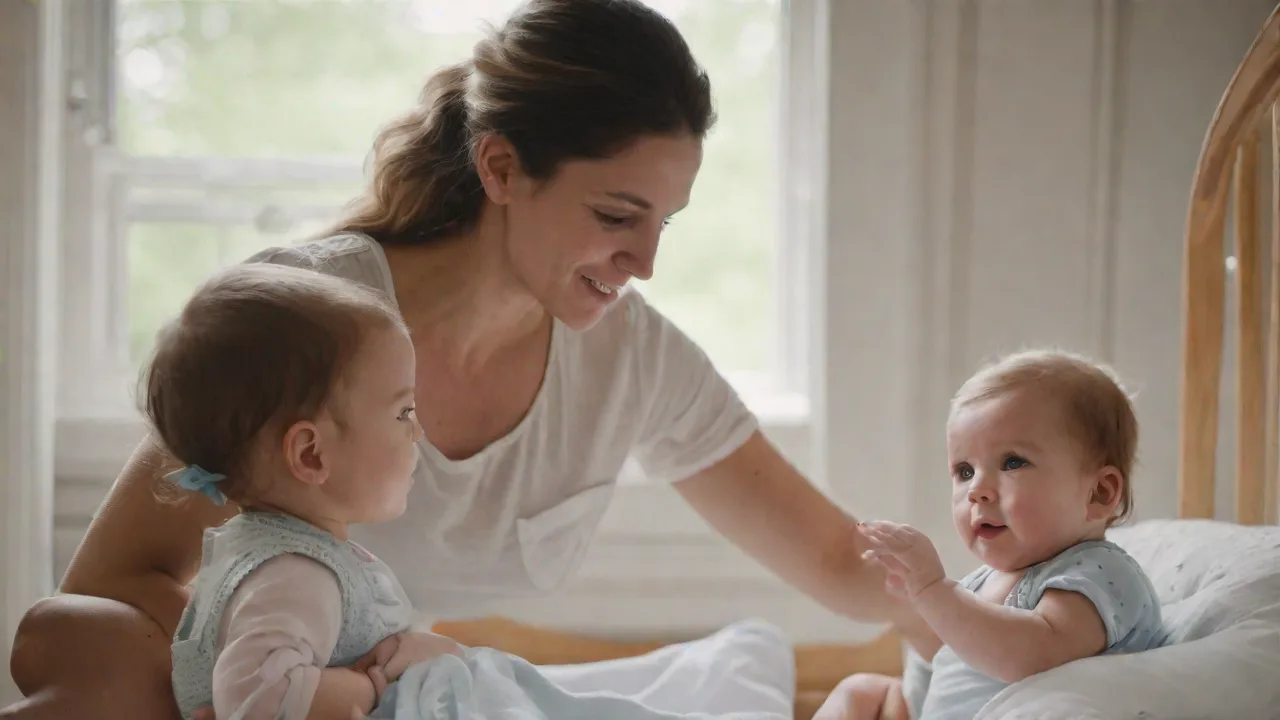
Preparing Siblings for the Arrival of a New Baby With Effective Communication Strategies
Preparing Siblings for the Arrival of a New Baby
Welcoming a new baby is a joyful milestone, but for older siblings the transition can feel confusing or even threatening. Without thoughtful groundwork, a child who has been the center of attention may struggle with jealousy, regression, or anxiety. The good news is that parents can dramatically ease this shift with honest, age-appropriate communication and intentional involvement. This article provides evidence-based strategies to help siblings feel secure, valued, and excited about their new role, from pregnancy through the first months after birth.
Understanding Siblings’ Feelings Before the Baby Arrives
Children react to a new sibling much like adults react to a major life change — with a mix of anticipation and anxiety. Recognizing the emotional landscape your child is navigating is the first step in preparing them. Feelings of displacement are normal, but their expression varies widely by age and temperament.
Common Emotional Responses by Age Group
Toddlers (ages 1–3) may not fully grasp what is happening but will notice when your attention shifts. They often express confusion through increased clinginess, tantrums, or temporary regression in skills like potty training or self-feeding. A toddler who was sleeping through the night may suddenly wake up, or one who was using a spoon may demand to be fed. These behaviors are not defiance but a cry for reassurance.
Preschoolers (ages 3–5) can understand the concept of a baby but may worry about losing their place in the family. They frequently ask questions like, “Will you still love me?” or “Can we send the baby back?” Their magical thinking can lead to guilt — they may fear their jealousy caused the baby to cry or that the baby will replace them entirely. Preschoolers need concrete, repeated reassurance that they are loved no matter what.
School-age children (ages 6–12) have a better grasp of cause and effect, but they may feel pressure to be “the big kid” and hide their true feelings, leading to subtle acting out or withdrawal. They might complain of stomachaches before school or become overly critical of the baby. This age group often benefits from being given a meaningful role and from having their emotions normalized without being told how to feel.
Teens (ages 13+ ) may feel embarrassed about how a new baby disrupts family dynamics and privacy. They can become distant or sarcastic, but also surprisingly nurturing if given space. Acknowledge their maturity by asking for their opinion on baby gear or names, but avoid parentifying them. As the American Academy of Pediatrics notes, acknowledging a child’s worries — rather than dismissing them — builds trust and emotional security across all ages.
Why Jealousy and Regression Are Normal
Jealousy arises not from a lack of love but from a perceived threat to resources (time, attention, affection). Regression is a child’s way of saying, “I need to feel small and safe again.” Parents who react with patience rather than frustration help children move through this phase more quickly. Instead of punishing a thumb-sucking relapse or a bathroom accident, calmly connect the behavior to the child’s need and offer extra cuddles or time together. It helps to remember that regression is temporary; the more secure a child feels, the sooner they return to their typical developmental path.
Effective Communication Strategies for Preparing Siblings
Clear, honest communication is the cornerstone of a smooth transition. The way you talk about the baby sets the tone for how your child views this new family member. Below are practical, evidence-based communication tactics.
Start Conversations Early — and Keep Them Simple
For a toddler, begin talking about the baby a few months before the due date. Use short sentences and concrete terms: “A baby is growing in Mommy’s belly. The baby is very tiny. When the baby is big enough, we will bring it home.” Avoid abstract explanations like “the baby comes from heaven” unless you have already built a spiritual framework. For preschoolers, incorporate age-appropriate books about new siblings (see the book list below). Stories allow children to see their own feelings mirrored in characters, which reduces fear. The Zero to Three organization offers excellent book lists for different developmental stages. Try practicing conversations with a doll, using phrases like, “The baby will sleep here, and you will sleep in your own bed. The baby will drink milk, and you will drink from your cup.” Repetition builds familiarity.
Use “I” Statements and Open-Ended Questions
Instead of saying, “You will love having a little brother,” which may feel like pressure, try, “I wonder what you think about having a baby in the house?” or “I remember when you were a baby — it was so special to hold you.” This invites your child to share honest emotions without fear of disappointing you. If they express worry, validate it: “It sounds like you are worried that I won’t have time to play with you. That is a normal feeling. Let’s talk about how we can make sure we still have special time together.” Avoid dismissing their feelings with “Don’t worry” or “It’ll be fine.” Instead, say, “I see you are feeling worried. That makes sense. What would help you feel better?”
Be Specific About What Will Change — and What Won’t
Children often imagine the worst. Explain specific routines: “The baby will wake up in the night to eat, so I will be here in your room during the day, and Daddy will help at night. You will still watch your show before bed, and we will still have pancakes on Saturday.” Create a simple visual chart listing things that stay the same (your breakfast together, your bedtime snuggles, your favorite park trip) and things that will be a bit different (I will feed the baby while you eat, the baby’s crying might interrupt our game). When you name what stays the same, you provide anchors of stability in a sea of unknowns.
Avoid Over-Promising and Sugarcoating
While it is tempting to paint a perfect picture, honesty builds trust. You can say, “The baby will cry a lot and need a lot of care. Sometimes that will be annoying, and sometimes it will be fun. We will all learn together.” This prepares siblings for the reality without minimizing their potential frustration. If you set unrealistic expectations — “The baby will be so quiet and just sleep” — the child may feel betrayed when reality hits. Instead, offer a balanced preview and assure them you will still have time for just the two of you.
The Power of Storytelling and Books
Reading is one of the most effective ways to address complex emotions. Look for books that acknowledge both the joys and challenges of a new sibling. For toddlers, try I’m a Big Sister by Joanna Cole or The New Baby by Mercer Mayer (recommended by the Child Mind Institute). For preschoolers, Julius, the Baby of the World by Kevin Henkes handles jealousy with humor. For school-age children, What to Do When Your New Baby Is Here by Lara Downing offers practical tips. Read together and pause to ask “How do you think the big kid in this story feels?” This opens a safe dialogue.
Involving Siblings in the Preparation Process
When children feel like active participants rather than passive bystanders, they are far more likely to embrace the baby as a shared project. Involvement should feel empowering, not burdensome. Below are activities that build excitement and ownership.
Hands-On Activities Before the Birth
- Let them help decorate the nursery. Even a toddler can stick a decal on the wall or choose a stuffed animal for the crib. For older children, allow them to pick a painting color or arrange a shelf of books. This gives them ownership of the space.
- Have them “choose” a gift for the baby. Take a trip to a store and let them select a onesie, rattle, or picture book. Frame it as, “This is a present from you to your new sibling.” This can be a powerful bonding ritual.
- Make a sibling-to-baby friendship box. Let your child fill a small box with drawings, a photo of themselves, and a “welcome” note. After the baby is born, you can open it together and “give” it to the baby.
- Create a countdown calendar. Use a paper chain or a daily sticker chart leading to the due date. Each day the child can mark off one link and talk about one thing they are excited about or nervous about. This builds anticipation and gives you regular conversation starters.
- Pack a “big sibling” bag for the hospital. Include a new picture book, a small toy, and maybe a photo of you and the child together. This bag can be a comfort item while you are away.
Attend a Prenatal Visit or Take a Tour
If your hospital offers sibling preparation classes or a tour, sign up. For children ages 3–6, seeing the nursery, the bassinet, and the room where Mommy will stay reduces fear of the unknown. Let them listen to the baby’s heartbeat with a stethoscope — it makes the baby feel real. For older children, explaining medical equipment in simple terms (“this special camera helps the doctor check that the baby is healthy”) can demystify the process. Many hospitals also offer “big sibling” events where kids can practice holding a doll and learn what to expect when they visit after the birth.
The Role of Grandparents and Extended Family
Grandparents can be wonderful allies in preparing siblings. Ask them to spend extra time with the older child before the baby arrives, reinforcing that their relationship is special and unchanged. When relatives call, encourage them to ask the sibling about their own life before asking about the baby. Having a trusted adult who is not distracted by the newborn can be a lifeline for an older child.
Maintaining Routines and Creating Special Bonding Time
One of the biggest fears for an older child is losing exclusive access to you. Proactive planning around routines and intentional one-on-one time can prevent that anxiety from escalating.
Anchor Routines That Won’t Change
Identify two or three daily rituals that will remain untouched after the baby arrives — for example, the bedtime story you read together, the morning snuggle before school, or a Saturday cartoon ritual. Write them down on a chart and hang it on the refrigerator. This visual reminder helps children see that certain closeness remains guaranteed. If you must hand off the baby to someone else to keep that appointment, do it without guilt. Those protected rituals are more valuable than any extra help you could provide.
The “Special Time” Promise
Set aside at least 10–15 minutes per day for uninterrupted attention with the older sibling before the baby is born. After the birth, protect that time fiercely. Even if the baby is crying, hand them to a partner or a trusted helper and give your older child your full focus. Call it “our special time” and let the child choose the activity. Quality matters more than quantity. A consistent, predictable slot — like right after school or before dinner — builds a sense of security. Consider using a timer; when the younger child starts fussing, the sibling sees that your attention is theirs until the bell rings. This concrete boundary reduces anxiety.
Introduce a “Sibling Privilege” Concept
Children love feeling special. Around age 3–5, you can say, “Big kids get privileges that babies don’t. You can have a glass of juice, but the baby can only drink milk. You can ride a bike, but the baby can’t even walk yet.” This reframes the arrival not as a loss but as a marker of their own growing status. For older children, privileges might include staying up later, choosing a movie, or having a private snack stash. The key is to highlight what they gain, not just what they share.
Managing Baby-Related Gifts to Reduce Jealousy
When friends and family bring gifts for the baby, many siblings feel left out. Prepare a small stash of “big kid” gifts in advance. When the baby receives a present, let the sibling open a small gift for themselves — a new book, a puzzle, or a special treat. You can also have the baby “give” a present to the older sibling: a simple “thank you for being a great big brother” gift can work wonders. Frame it as, “The baby wanted you to have this because he already loves you.”
Preparing for the Hospital Stay and Homecoming
The separation during delivery and the first days home are often the most stressful for siblings. A concrete plan can minimize confusion and anxiety.
Communicate the Timeline Clearly
For children 4 and up, use a simple calendar or countdown chart: “On Monday, Mommy goes to the hospital. You will stay with Grandma. On Wednesday, we will come home with the baby.” Emphasize that you will call or video chat. Practice video calls beforehand so the child feels comfortable. If possible, let them visit the hospital and see you holding the baby before everyone comes home. Many hospitals allow brief sibling visits; check policies early. Prepare a “hospital kit” for the child: a photo of you together, a favorite book, and a note you wrote ahead of time.
Make the Homecoming Ritual Special
When you bring the baby home, have the older sibling greet them first (after washing hands). Let them give the baby a small gift they prepared earlier. Try to have the baby in a bassinet or car seat, not in your arms, so you are free to hug and greet your firstborn warmly. Saying, “I missed you so much! Tell me everything you did!” as you enter the door can do more for their sense of security than any words about the baby. Consider having a “welcome home” gift for the sibling — not from the baby, but from you, celebrating their patience and love.
Watch for Red Flags After the Birth
It is normal for children to act out for a few weeks. However, if you see prolonged sleep disturbances, extreme regressive behaviors like loss of bladder control after being dry for months, aggression toward the baby, or withdrawal from family interactions, it may be time to consult your pediatrician or a child psychologist. The American Academy of Pediatrics’ healthychildren.org offers guidelines on when to seek professional advice. Trust your instincts — if your child’s distress seems out of proportion or goes on longer than a month, early intervention can prevent long-term resentment.
Post-Birth: Building the Bond Between Siblings
Once the baby arrives, your role shifts from preparer to facilitator. The sibling relationship will develop slowly, but you can create fertile ground for it. Patience and positive reinforcement are key.
Let Them Help — But Don’t Force It
Older siblings often want to fetch diapers, pick out outfits, or make the baby laugh. Let them. Even if they hand you a diaper from the wrong pile, thank them sincerely. Conversely, if your child shows little interest, do not pressure them. A forced “love your baby sister” lecture can create resentment. Allow the relationship to unfold naturally. As child development experts advise, parallel play — where the older child plays near the baby — is a healthy, low-pressure starting point. Offer simple, safe tasks: “Can you hold this burp cloth for me?” or “Would you sing the ABC song? The baby loves your voice.”
Use Baby’s Behavior to Reinforce the Sibling’s Importance
Narrate the baby’s reactions in a way that highlights the sibling. “Look, the baby is smiling at you. I think she loves when you talk to her.” or “The baby stopped crying when you came into the room. Your voice calms her.” This builds a sense of agency and pride. Over time, the older child will associate the baby with positive attention and feelings of capability. Avoid comparing, though — never say “Why can’t you be as quiet as the baby?” or “The baby never throws tantrums.”
Create Rituals That Include the Baby but Center the Sibling
For example, every morning your toddler can “help” give the baby a kiss goodbye, or every evening they can choose a lullaby for the baby. For school-age children, they can read a short picture book aloud to the baby — even if the baby cannot follow along, the closeness matters. These small, repeated acts forge a bond over weeks and months. Another idea: a weekly “sibling movie night” where the older child picks a film and you all snuggle together (baby in a bouncer nearby). The message is clear: we are a family that includes everyone, and your preferences matter.
Handling Sibling Rivalry Constructively
Even after the most thoughtful preparation, rivalry will surface. When it does, avoid taking sides or forcing apologies. Instead, acknowledge the conflict: “I see you are frustrated that the baby grabbed your toy. That is hard. Let’s think of a way to have your special toys safe.” Provide the older child with a safe space — their own room or a “no baby zone” — where they can play without interruption. Teach conflict resolution words: “I need a turn” or “That hurts me.” Stay calm; your example is the greatest teacher. For persistent jealousy, schedule regular one-on-one time and remind them of their irreplaceable role.
Conclusion
Preparing older siblings for a new baby is not about achieving one perfect conversation or activity. It is an ongoing process of validation, inclusion, and patience. By acknowledging your child’s emotions, communicating clearly, involving them meaningfully, and protecting your connection with them, you set the stage for a sibling relationship that can bring immense joy to your family. The goal is not to eliminate all jealousy or difficulty — that is unrealistic. The goal is to help your child feel secure in their place in your heart, no matter how many children join the family. With time and consistent effort, the sibling bond will grow stronger than any initial awkwardness or jealousy. Your love, when communicated with intention, will be the bridge that connects them.