How to Maintain Hygiene and Prevent Infections in Newborn Care
Welcoming a newborn into the family brings immense joy, along with a profound responsibility to protect their fragile health. A baby’s immune system is not yet fully developed, making meticulous hygiene the cornerstone of early care. Proper hygiene does more than prevent infections—it establishes a foundation for lifelong well-being, eases parental anxiety, and fosters a calm, nurturing home environment. This comprehensive guide details evidence-based practices for maintaining hygiene and preventing infections in newborn care, helping you navigate the crucial first months with confidence.
Why Newborns Are Especially Vulnerable to Infections
A newborn’s immune system is still learning to distinguish friend from foe. At birth, babies receive some passive immunity from their mother, primarily through antibodies transferred across the placenta and, later, through breast milk. However, this protection is temporary and incomplete. Infants lack the fully developed cellular and antibody responses that older children and adults rely on. Their skin barrier is thinner, their respiratory tracts are more delicate, and their gastrointestinal systems are still maturing. As a result, common pathogens that cause only mild illness in adults can lead to serious conditions like sepsis, meningitis, or pneumonia in a newborn. Understanding this vulnerability highlights why every hygiene decision—from handwashing to diaper changes—carries significant weight.
Core Principles of Newborn Hygiene
Before diving into specific routines, it helps to adopt a mindset grounded in a few central principles. First, consistency matters more than perfection. You don’t need a sterile environment—just a clean one. Second, gentleness is key. Harsh chemicals and vigorous scrubbing can damage a newborn’s delicate skin and disrupt natural protective flora. Third, vigilance does not mean paranoia. Learning to trust your judgment while staying informed about potential risks will serve you better than constant worry. Finally, cleanliness should be habitual. When hand hygiene and surface cleaning become automatic, they require less mental effort.
Daily Hygiene Routines That Protect Your Baby
Establishing a daily hygiene rhythm reduces the chance of oversight and helps your baby become accustomed to gentle care. Below are the essential areas to focus on each day.
Bathing and Skin Care
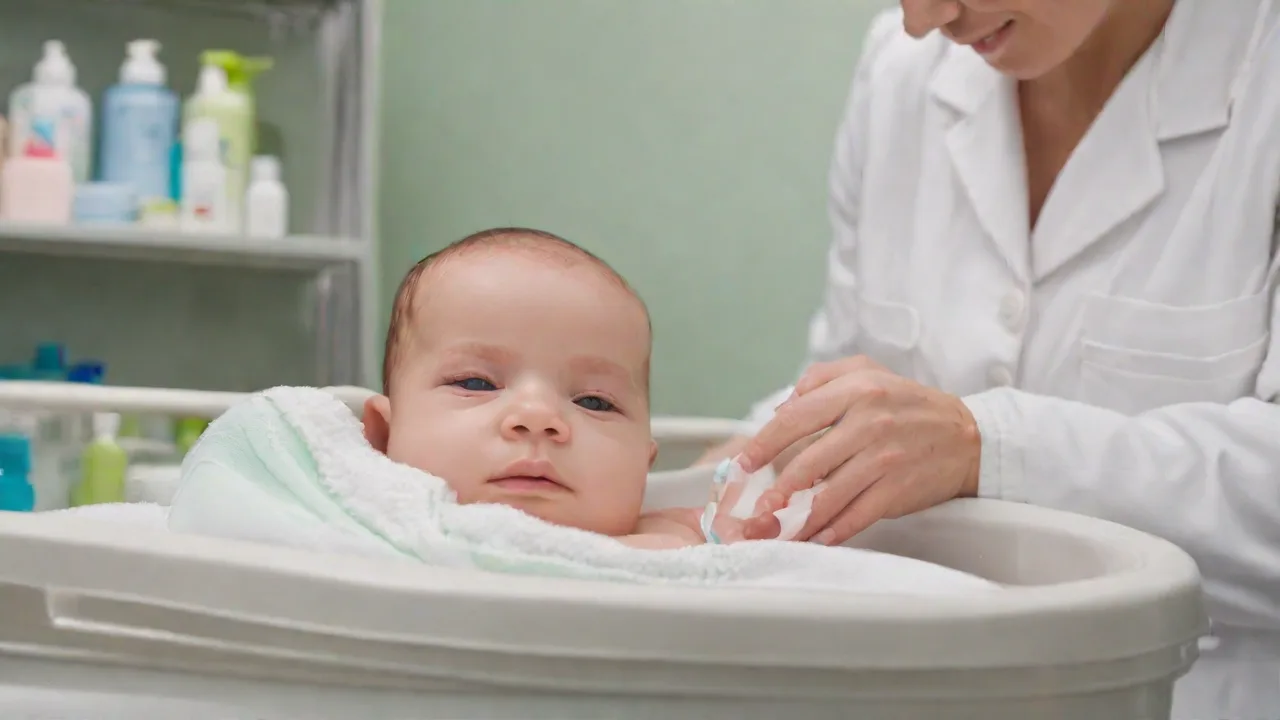
Until the umbilical cord stump falls off—typically within one to three weeks—sponge baths are recommended. Use a soft washcloth or sponge dipped in warm (not hot) water, and gently clean each area. Pay special attention to skin folds (neck, armpits, behind the ears, groin) where moisture and debris can accumulate. After the stump detaches and the area is fully healed, you can transition to tub baths. Aim for two to three baths per week; daily bathing can strip natural oils and dry out the skin. Use a mild, fragrance-free baby soap and shampoo. Pat the baby dry with a soft towel, leaving a little moisture behind for lotion if needed. Never leave your baby unattended near water, even for a second.
Hand Hygiene for Everyone
Hands are the most common transmission route for harmful germs. Anyone handling the baby should wash thoroughly with soap and water for at least 20 seconds before contact. Key moments include: before feeding, after changing diapers, after using the bathroom, after handling pets or garbage, and after returning from outside. Alcohol-based hand sanitizer (with at least 60% alcohol) is a convenient alternative when soap and water aren’t available, but washing is preferred when hands are visibly soiled. Encourage siblings and visitors to follow the same protocol. Posting a friendly reminder near the nursery can be helpful.
Oral Hygiene Before Teeth Emerge
Even before your baby’s first tooth appears, it’s important to keep the gums clean. After each feeding, especially before bedtime, wipe the gums with a clean, damp, soft cloth or a silicone finger brush. This removes milk residue and prevents the growth of bacteria that can cause oral thrush (a common yeast infection). Once teeth start erupting, switch to a small, soft-bristled toothbrush with a smear of fluoride toothpaste (about the size of a grain of rice).
Nail Care
Newborns often scratch themselves unintentionally with their sharp, tiny nails. Keep their nails trimmed short to prevent scratches that can become entry points for bacteria. Use baby nail scissors or a fine-grit emery board. Many parents find it easiest to trim nails while the baby is sleeping or relaxed after a feeding. Avoid cutting too close to the skin; leave a slight edge. If you accidentally nick the skin, clean the area with mild soap and water and monitor for signs of infection.
Umbilical Cord Care
The umbilical stump is a potential entry site for infection until it dries up and falls off naturally. Keep the area clean and dry. Fold the front of the diaper down so it doesn’t cover the stump, allowing air to circulate. Give sponge baths until the stump is completely healed. If the stump gets wet, gently pat it dry with a clean cloth. Do not use alcohol or antiseptics unless specifically instructed by your pediatrician; current guidelines often recommend dry care unless infection is suspected. Signs of infection include redness around the base, persistent moisture or oozing, a foul odor, or tenderness. Contact your doctor if you notice any of these.
Diaper Area Care: Preventing Rash and Infection
The diaper zone is a high-risk area for skin irritation and infection due to constant moisture, friction, and contact with stool and urine. Proactive care can keep your baby comfortable and healthy.
Choosing the Right Diapers and Wipes
Opt for highly absorbent diapers that wick moisture away from the skin. Both cloth and disposable diapers can work well, but disposables often offer superior moisture control. Use unscented, alcohol-free wipes to avoid irritating sensitive skin. Alternatively, clean with lukewarm water and a soft cloth, then pat dry. Some parents prefer using a peri-bottle or gentle running water during diaper changes for a thorough rinse.
Proper Diaper Changing Technique
Change diapers frequently—every two to three hours during the day and immediately when soiled. During each change:
- Remove the soiled diaper and clean the area thoroughly from front to back (especially important for girls to prevent introducing bacteria into the urinary tract).
- Clean all skin folds and allow the skin to air-dry completely for a few minutes.
- Apply a thin layer of barrier cream (containing zinc oxide or petroleum jelly) to protect against moisture.
- Put on a fresh diaper, ensuring it fits snugly but not tightly around the legs and waist.
Preventing and Managing Diaper Rash
Diaper rash is extremely common, but good hygiene keeps it at bay. If redness develops, increase the frequency of changes, try brief periods without a diaper, and use a barrier ointment. If the rash persists for more than three days, has blisters, or is accompanied by fever, consult your pediatrician—it may be a yeast infection requiring medicated cream.
Cleaning and Sanitizing the Nursery Environment
Your baby’s immediate surroundings should be kept clean but not sterile. Regular cleaning with baby-safe products reduces the risk of common infections without exposing your infant to harsh chemicals.
Bedding, Clothing, and Linens
Wash all new bedding and clothes before first use to remove manufacturing residues. Use a gentle, fragrance-free detergent that is specifically formulated for sensitive skin or labeled as “baby-safe.” Avoid fabric softeners and dryer sheets, as they can leave chemical residues that irritate skin. Change crib sheets at least once a week—more often if they become soiled or if your baby has been sick. Wash cloth diapers, bibs, and burp cloths separately from other laundry, and use hot water for the best germ-killing effect.
Toys and Frequently Touched Surfaces
Toys that go into your baby’s mouth should be cleaned daily. For plastic or silicone toys, wash with hot, soapy water and rinse thoroughly. For soft toys, machine wash in hot water. Disinfect high-touch surfaces such as changing tables, crib rails, door handles, and light switches with a baby-safe disinfectant or a simple mixture of water and mild soap. Avoid bleach and other strong chemicals near the baby’s sleeping area. Keep clutter to a minimum to reduce dust accumulation, which can exacerbate respiratory issues.
Feeding Equipment Hygiene
If you are bottle-feeding, proper cleaning of bottles, nipples, and breast pump parts is critical. After each use, disassemble all parts and wash them in hot, soapy water using a dedicated bottle brush. Rinse thoroughly and air-dry on a clean rack. For added safety, especially in the first three months, sterilize feeding equipment by boiling for five minutes or using a steam sterilizer. Once your baby is older and the immune system is stronger, hot soapy water and thorough drying are usually sufficient. For breastfeeding, maintain good breast hygiene by cleansing the nipple area with warm water before and after feedings. If you use a breast pump, follow the same sterilization steps as for bottles.
Recognizing Signs of Infection in Newborns
Early detection of infection can make a critical difference. Newborns may not show obvious symptoms, so parents must watch for subtle cues. Contact your pediatrician immediately if your baby exhibits any of the following:
- Fever: A rectal temperature of 100.4°F (38°C) or higher in a baby under three months old is a medical emergency.
- Lethargy or unusual sleepiness: Difficulty waking, lack of interest in feeding, or floppy body tone.
- Poor feeding: Refusing to eat, difficulty latching, or vomiting frequently after feeds.
- Irritability: Persistent crying that cannot be soothed, or unusual fussiness.
- Respiratory distress: Rapid breathing, grunting, flaring nostrils, or retractions (chest pulling in with each breath).
- Skin changes: A rash that doesn’t fade when pressed, yellowing of the skin or eyes (jaundice that worsens), or redness/pus around the umbilical stump or diaper area.
- Diarrhea or vomiting: Frequent watery stools or green/yellow vomit may signal infection.
Trust your instincts. If something feels wrong, call your pediatrician or seek emergency care. It’s always better to err on the side of caution.
Environmental Hygiene: Visitors, Pets, and Air Quality
A newborn’s world extends beyond immediate care tasks. The broader environment also plays a role in infection prevention.
Managing Visitors
In the first few weeks, limit close contact with people outside your immediate household. Ask visitors to wash their hands before holding the baby and avoid kissing the baby’s face or hands. Politely request that anyone with signs of illness—cough, runny nose, fever—postpone their visit. This is not rude; it is protective. For larger gatherings, consider keeping the baby in a carrier or sling near you to reduce handling by others.
Pets and Newborns
Pets can be wonderful companions, but they require some management. Ensure your pet is up to date on vaccinations and flea/tick prevention. Never leave a pet unsupervised with your baby. Keep pet areas clean and separate from the nursery. Wash pet bedding frequently and vacuum regularly to reduce dander and allergens.
Indoor Air Quality
Good ventilation reduces airborne germs and irritants. Avoid smoking anywhere near the baby, including on outdoor areas near windows and doors. Use a humidifier in dry climates to keep the air moist, which helps prevent dry nasal passages that can crack and become infected. Clean the humidifier daily to prevent mold and bacteria growth. Keep the nursery at a comfortable temperature (68–72°F) to avoid overheating, which can increase the risk of sudden infant death syndrome (SIDS).
When to Seek Medical Advice
Even with impeccable hygiene, babies can become ill. Having a relationship with a trusted pediatrician is essential. Schedule the recommended well-baby visits for vaccinations and developmental checks. Don’t hesitate to call the doctor for guidance on hygiene concerns, such as how to clean the umbilical stump or what product is best for dry skin. Many pediatricians offer nurse lines for non-urgent questions. For emergencies, know the location of the nearest children’s hospital or emergency room.
Building Healthy Hygiene Habits for the Long Run
The hygiene practices you establish in the newborn period form habits that will carry your child through infancy, toddlerhood, and beyond. As your baby grows, you can gradually involve them in handwashing and other routines. For now, focus on consistency, gentleness, and love. A clean environment coupled with responsive caregiving gives your baby the best possible start.
For further reading, consult the CDC’s newborn care guidelines, the American Academy of Pediatrics, and the World Health Organization’s newborn health resources. These authoritative sources provide additional depth on infection prevention and developmental care.
Conclusion
Maintaining hygiene in newborn care is not about creating a bubble of sterility—it is about establishing smart, sustainable routines that dramatically reduce infection risk while supporting your baby’s natural development. From meticulous hand hygiene and gentle bathing to careful diaper changes and a clean sleeping environment, every step contributes to a safe and nurturing space. By staying informed, vigilant, and calm, you empower yourself to protect your little one during the most vulnerable stage of life. Remember, you are not alone: pediatricians, public health agencies, and experienced parents form a rich support network. Lean on them, trust your instincts, and celebrate each small victory of healthy growth.